Journal of the American Orthodontic Society, March/April 2013, pp. 36–40
The debate over early orthodontics and/or orthopedic arch development in the growing child has long been controversial. There are numerous articles in the literature in favor of early treatment strategies beginning in the mixed dentition (1–15). It makes sense to correct problems early rather than let them linger and even worsen over time. I can think of no other area in medicine that allows problems to deteriorate over time without intervention. In order to provide treatment early, however, it is necessary to identify developing problems early, or at least to anticipate these problems before they occur so that corrections can be made in a timely and efficient manner. The American Association of Orthodontists (AAO) recommends children get an orthodontic screening by age 7. The timing of this recommendation, by no accident, coincides with exchange of the front teeth (early mixed dentition). Many an experienced clinician has heard the all too familiar question from a concerned parent whose child is at this stage, "will my child need braces?" In the interest of doing what is best for our patients, we should as dentists, be able to respond correctly, and provide the necessary treatment guidance at this stage, or be able to refer the child to someone who can treat appropriately. Watchful waiting does the child no good and may even cause more harm in the long run. The window of opportunity demands diligence on the part of the treating dentist, as many patients will not achieve proper facial balance, esthetics, or optimal health without early intervention.
Numerous factors are implicated in the literature as to the causes or etiologies of malocclusion ranging from habits, aberrant swallow patterns, obstructed nasopharyngeal airways (7, 16–20), rest oral posture (21), modern diets (22, 23), environmental causes (22) to natural birth (24). Growth is rapid in young children, so orthopedic corrections need to be made early to prevent undesirable patterns that are less correctable later. Orthopedic changes are limited in older children where facial growth is near completion. Experience in dealing with growing children has shown me that malocclusions develop early and worsen over time. By age twelve 89% of children have dental malocclusion (25). Thus, there is a critical need to diagnose and treat developing malocclusions in young children.

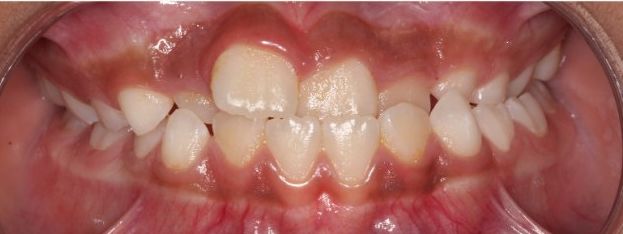
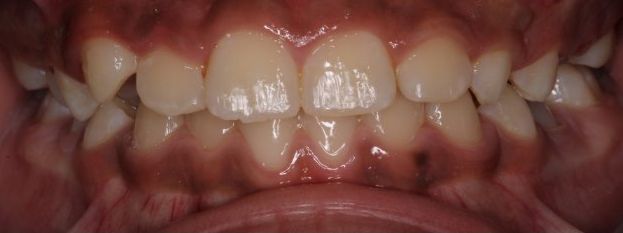 Records · day one